
If you have a chive plant growing in your garden, then you know the beautiful purple blossoms they produce every year. But have you ever wondered what to do with chive blossoms?
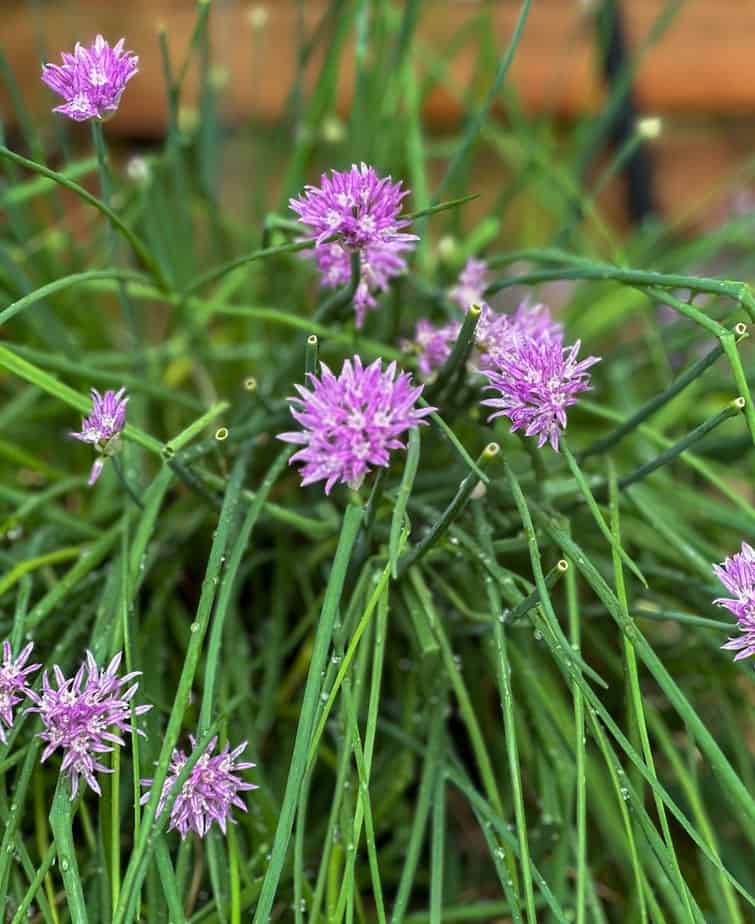
A few years ago, I spotted them at our local farmers market and remember thinking, why the heck haven’t I been using these glorious blossoms? I had no idea they were edible, let alone delicious. Once I started experimenting with them in the kitchen, I discovered so many recipes that I could use them in. Now, when chive season rolls around, I use them in just about everything.
In this post, you’ll find several simple and delicious ways to use chive blossoms in your kitchen, from savory baking to infused staples that let you enjoy their flavor after the blossoms are gone. I have also included some Frequently Asked Questions at the end.
Spinach Quiche with Chive Blossoms
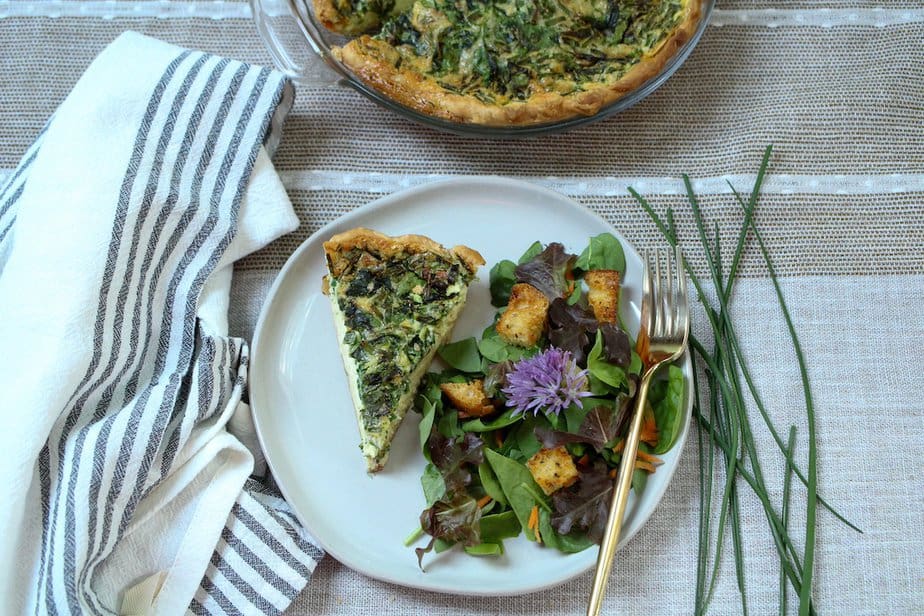
If you’re looking to impress, this quiche does just that. The chive blossoms add a delicate onion flavor and a pop of design. The color of the blossoms do darken with baking, but the pattern and flavor instantly elevates a classic spinach quiche. It’s perfect for brunch, spring gatherings, or any meal where you want something that feels comforting and a little special.
Spinach Quiche with Chive Blossoms
Chive Blossom Vinegar
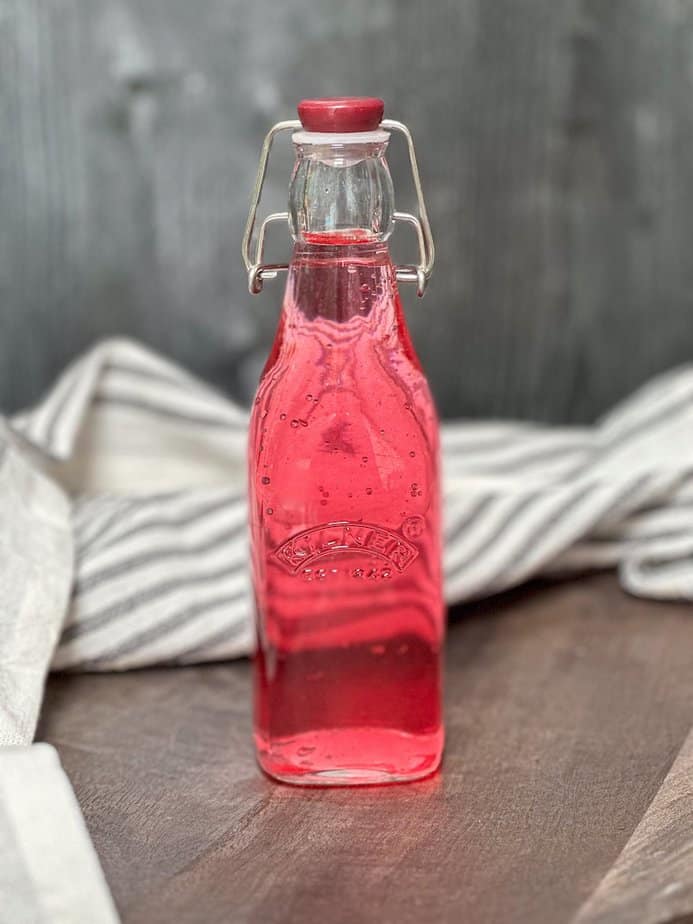
This is one of my favorite ways to preserve chive blossoms. Their vibrant pink hue slowly infuses into a mild vinegar, creating a lightly onion-flavored vinegar that’s as pretty as it is useful. Paired with a good olive oil, it makes an easy, elegant salad dressing and adds a subtle depth to vinaigrettes, marinades, and sauces.
Chive Blossom Vinegar
Chive Blossom Infused Butter
Chive blossom butter is incredibly simple and packed with flavor. Bring a stick of butter to room temperature, finely chop a few blossoms, and whip them into the butter using a hand-held mixer. This savory butter is delicious spread on bread or rolls. We especially love it melted over a warm slice of homemade Sourdough Bread.
Would you like to save this?
Chive Blossom Salt
Chive blossom salt is another fantastic way to extend their season. Finely chop the blossoms, then mix them with flaky or coarse sea salt. Use a 1:1 ratio, 1 cup of flowers to 1 cup of salt. Spread out on a baking sheet and allow the mixture to dry at room temperature, about 4-7 days, ensuring flowers are completely dry to prevent mold. Once dried, the salt takes on a subtle onion flavor and a faint blush of color. Store in an airtight container. Sprinkle over roasted vegetables, eggs, or finished dishes for an easy flavor boost.
Chive Blossom Cream Cheese
For a fresh and colorful spread, chop chive flowers along with fresh chives and fold them into whipped cream cheese. This makes a lovely condiment for bagels, crackers, sandwiches, or on charcuterie boards. The purple flecks are always a conversation starter.
Other Easy Ways to Use Chive Flowers
- Eggs or Scrambled Tofu: sprinkle chopped blossoms over scrambled eggs or tuck them into an omelet for a fresh, savory finish. When they are in season, I like to add them to my Scrambled Tofu recipe.
- Soups: Use them as a garnish on creamy soups for color and a mild onion note.
- Salads: Scatter whole or chopped blossoms over salads or use them as an edible garnish on a plate.
- Roasted vegetables: Toss them on just before serving roasted potatoes, carrots, or spring vegetables for a pop of flavor and color.
Frequently Asked Questions
Yes! Chive blossoms are completely edible and safe to eat. They come from the same chive plant. They can be eaten raw or lightly cooked.
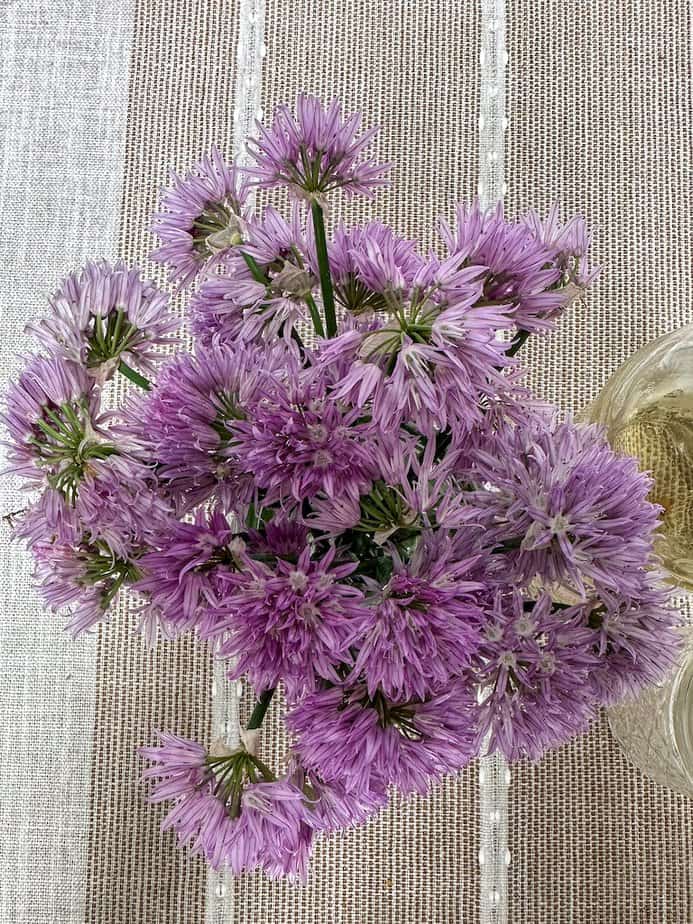
If you’re wondering what chive flowers taste like, think of them as a gentler version of chives themselves. The flavor is mild, lightly oniony, and slightly sweet. Because they are more subtle than chive stems, you may need to use a larger quantity to really bring out their flavor, which also makes dishes look extra special.
Gently swirl chive blossoms in a bowl of cold water to remove dirt or insects. Lift them out and pat dry with a clean kitchen towel or let them air dry. Avoid running them under the faucet directly, as the flowers are delicate.
Chive blossoms have a short but beautiful window. These edible flowers typically bloom in late spring to early summer, depending on your climate. Here in New Hampshire, that usually means late May through early June. If you don’t grow chives yourself, keep an eye out at local farmers markets. They’re often sold in small bunches and are well worth grabbing while you can.
Fresh chive blossoms will last about 3-5 days when stored in the refrigerator. Keep them in a jar with enough water for the stems to sit in, or wrap the stems in a moistened towel and place them in a breathable container. I use the jar-with-the-stem-in-water method, which I have found works best.
Feel free to leave a comment below and let me know how you use these gorgeous flowers!